
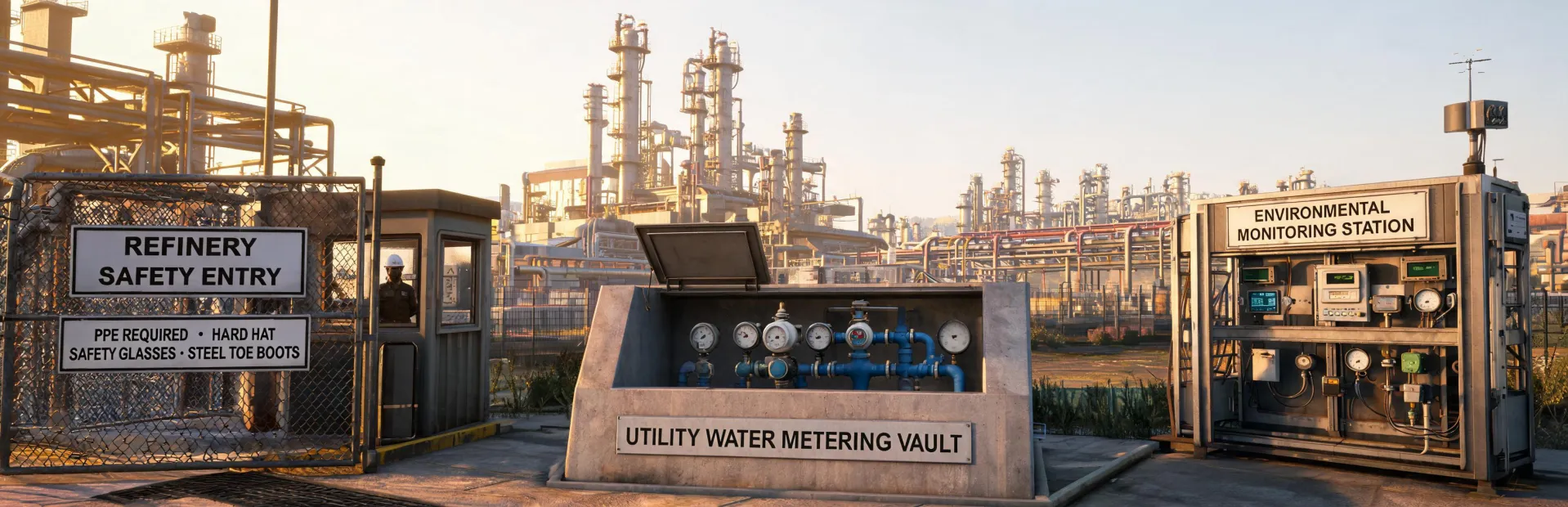
Refinery & Petrochemical Safety
Fixed and portable combustible/toxic gas detection for confined-space, flare-stack and unit-boundary monitoring.
Industries served
Instrument selection changes when the same measurement must support safety, billing, commissioning or regulatory evidence. Itron industry guidance keeps those use cases separate so a buyer does not compare a water meter, heat meter, gas detector and flow transmitter as if they were only catalog names. Each industry path starts with what the site must prove: safe entry into a confined space, defensible district network readings, healthy-building targets, hazardous-area monitoring, or emissions and ambient reporting that can be submitted to regulators. The same product family can require different documentation depending on whether it is installed in a utility vault, on a chemical unit boundary, inside an HVAC commissioning program or beside a stack sampling point. That is why the industry page keeps the operating context visible before any model name is discussed.
Fixed and portable combustible/toxic gas detection for confined-space, flare-stack and unit-boundary monitoring.

Smart water and heat meters with MID/EN 1434 approvals for retail billing and district network reporting.
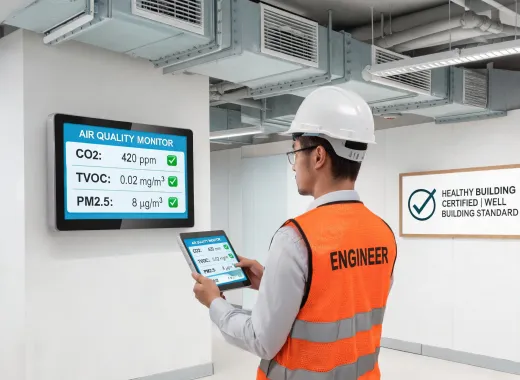
CO2, TVOC and particulate monitoring for healthy-building certification and HVAC commissioning.
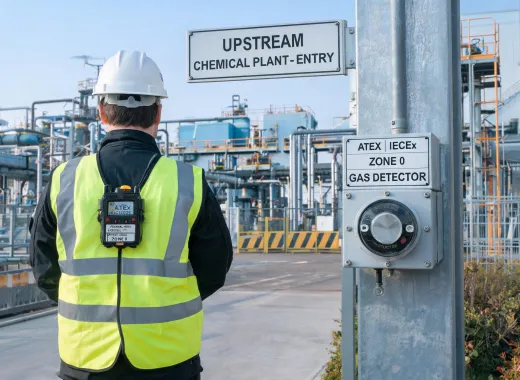
ATEX/IECEx Zone 0/1 gas detection, area monitoring and personal-safety wearables for upstream and chemical plants.
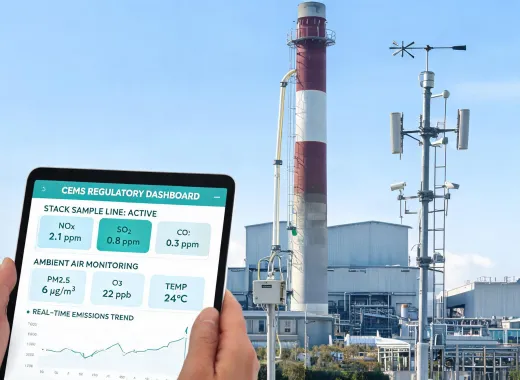
Continuous emissions monitoring (CEMS), ambient stations and stack analysis for regulatory submissions.
Across these industries, the practical advisor question is always the same: what evidence must the instrument create, and who will review that evidence later? A refinery safety team may need alarm response and hazardous-area wording. A district metering operator may need approval marks, reading intervals and network export details. A building team may need commissioning reports that support healthy-building certification. An environmental manager may need measurement continuity and data that can be tied to regulatory submissions. Itron industry guidance keeps those review paths separate so the specification can be accurate without becoming harder to use.
Describe whether the measurement supports billing, safety, commissioning or regulatory reporting. The application path will make the product family and evidence needs easier to compare.
Discuss an Industry Use Case